%20-%20Edited.png?width=150&height=103&name=Final%20LOGO@4x%20(2)%20-%20Edited.png)
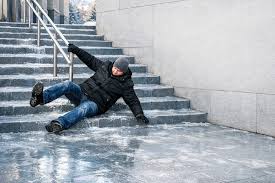
Slip and fall accidents are more common than you might think. They can happen anywhere — on icy sidewalks, wet floors, stairs, or uneven surfaces. Even if the fall seems minor, it can lead to sprains, strains, joint pain, or long-term mobility issues.
Physiotherapy is an essential part of recovery after a slip and fall. It helps reduce pain, restore movement, and prevent further injuries, ensuring you get back on your feet safely.
Common Injuries from Slip and Fall Accidents
Depending on how you land, a slip or fall can affect different parts of the body. Common injuries include:
- Sprained or strained muscles and ligaments
- Back, neck, or shoulder pain
- Knee or ankle injuries
- Hip injuries
- Balance and mobility problems
Without proper care, even minor injuries can worsen over time, leading to chronic pain or reduced mobility.
How Physiotherapy Helps After a Slip and Fall
1. Pain Relief and Injury Assessment
A physiotherapist evaluates the severity of your injuries and identifies areas of concern. Using techniques such as manual therapy, stretching, and therapeutic exercises, they can reduce pain and inflammation effectively.
2. Restoring Strength and Mobility
Falls often cause stiffness and weakness. Physiotherapy focuses on restoring joint mobility, strengthening muscles, and improving flexibility so you can move comfortably and safely.
3. Improving Balance and Preventing Future Falls
After a slip, you may feel less confident walking or moving. Physiotherapists provide balance training and exercises to improve stability, coordination, and posture, reducing the risk of future falls.
4. Safe and Faster Recovery
With a guided rehabilitation plan, patients recover quicker and more safely, returning to daily activities without the fear of re-injury.
When to See a Physiotherapist
Seek physiotherapy if you experience:
- Persistent pain after a fall
- Difficulty walking or moving
- Swelling or stiffness in joints
- Reduced mobility or strength
- Balance problems
Early intervention can prevent minor injuries from becoming long-term issues.
Conclusion
Slip and fall injuries can disrupt your life, but physiotherapy provides a safe path to recovery. From pain relief to strength training and balance improvement, physiotherapists help you regain mobility and confidence.
Don’t let a fall hold you back — professional physiotherapy care can make all the difference in your recovery journey.
Recently experienced a slip or fall?
Our experienced physiotherapists are here to help you recover safely and regain your strength. Book your assessment today and get back on your feet with confidence.
FAQs About Slip and Fall Injuries and Physiotherapy
Q1: How soon should I see a physiotherapist after a slip and fall?
A: It’s best to see a physiotherapist as soon as possible, especially if you experience pain, swelling, stiffness, or reduced mobility. Early intervention helps prevent long-term complications.
Q2: Can physiotherapy help with minor falls?
A: Yes! Even minor falls can cause muscle strains or joint stiffness. Physiotherapy can reduce pain, restore movement, and prevent future injuries.
Q3: What types of treatments do physiotherapists use for fall injuries?
A: Treatments may include manual therapy, stretching and strengthening exercises, balance and coordination training, and pain-relief modalities like heat, ice, or electrotherapy.
Q4: How long does recovery take after a slip and fall?
A: Recovery time varies depending on the severity of the injury. Minor injuries may take a few days to weeks, while more serious injuries can take several months. Your physiotherapist will create a personalized plan for optimal recovery.
Q5: Can physiotherapy prevent future falls?
A: Absolutely. Physiotherapists focus on improving strength, balance, coordination, and posture, which significantly reduces the risk of future falls.