
Have you experienced back pain after lifting something heavy at work? Do you notice neck or shoulder stiffness after spending long hours at your workstation? Or have you suffered an injury following a slip, fall, or workplace accident?
Workplace injuries can happen in almost any profession. Whether you work in an office, warehouse, construction site, or retail environment, an injury can affect your comfort, mobility, and ability to perform everyday tasks.
The good news is that appropriate medical care and rehabilitation can help you manage your symptoms and work towards recovery.
In Ontario, the Workplace Safety and Insurance Board (WSIB) provides benefits and support for eligible work-related injuries and illnesses. Physiotherapy can also play an important role in helping injured employees regain strength, improve movement, and return to their regular activities.
At Aurika Wellness in Erin Mills, Mississauga, our physiotherapy team provides WSIB rehabilitation services to support your recovery journey.
Let's understand common workplace injuries, what to do after an accident, and how physiotherapy can help.
What Are the Most Common Workplace Injuries?
Workplace injuries can develop suddenly or gradually over time. Some happen because of accidents, while others result from repetitive movements, physical strain, or prolonged working positions.

Here are some common types of workplace injuries:
1. Back Injuries
Back injuries are common among employees who frequently lift heavy objects, bend, twist, or perform physically demanding tasks.
You may experience lower back pain, muscle stiffness, or difficulty bending and lifting. Sometimes, the discomfort can also interfere with sitting, standing, and walking.
2. Neck and Shoulder Injuries
Office workers, drivers, and people performing repetitive tasks may experience neck and shoulder discomfort.
Poor posture, prolonged computer use, and repetitive overhead movements can contribute to muscle tension, stiffness, and reduced shoulder mobility.
3. Wrist and Hand Injuries
Frequent typing, repetitive gripping, and continuous hand movements can contribute to wrist and hand problems.
Conditions such as carpal tunnel syndrome and tendon-related injuries may cause pain, tingling, numbness, or weakness.
4. Knee and Ankle Injuries
Standing for extended periods, climbing stairs, lifting loads, or slipping on workplace surfaces can affect the knees and ankles.
These injuries may cause swelling, pain, stiffness, and difficulty walking or maintaining balance.
5. Repetitive Strain Injuries (RSI)
Repetitive strain injuries develop when certain muscles, tendons, or joints experience repeated stress over time.
Employees working with computers, tools, machinery, or assembly lines may experience these problems. Early assessment can help identify contributing factors and appropriate treatment options.
What Should You Do After a Workplace Injury in Ontario?
Experiencing an injury at work can be stressful, especially when you are unsure about reporting requirements or where to get treatment.
Taking the right steps can help you access appropriate care and understand your WSIB options.
1. Seek medical attention: Your health should be the first priority. Get appropriate medical attention, particularly if you experience severe pain, significant swelling, numbness, or difficulty moving.
2. Inform your employer: Report the injury to your employer as soon as possible, even if it initially seems minor. Explain how and when it happened.
3. Keep a record of your injury: Document the date, circumstances, affected body parts, symptoms, and any medical treatment you receive.
4. Understand the WSIB reporting process: Depending on the circumstances, you may need to complete a Worker's Report of Injury/Disease (Form 6). Your employer may also need to submit Form 7, while your healthcare professional may complete Form 8.
5. Follow your treatment plan: Follow the advice of your healthcare professional and attend recommended appointments to support your recovery.
You can find more information through the official WSIB injury reporting guidelines.
What Is WSIB and Does It Cover Physiotherapy?
The Workplace Safety and Insurance Board (WSIB) is an Ontario organization that provides workplace injury and illness insurance benefits to eligible workers.
Depending on your claim and entitlement, WSIB may cover approved healthcare expenses, including physiotherapy and rehabilitation services.
The purpose is to help injured workers receive appropriate treatment, restore physical function, and return to work safely.
Can you choose your own physiotherapist under WSIB?
Yes. According to WSIB policy, injured workers can make their initial choice of healthcare professional, including a physiotherapist, provided the treatment falls within the professional's scope of practice.
WSIB determines the necessity, appropriateness, and payment of healthcare under the claim.
If you are considering physiotherapy after a workplace injury, you can contact a WSIB clinic to understand the assessment and treatment process.
How Can Physiotherapy Help With Workplace Injuries?
Recovering from a workplace injury involves more than simply managing pain. The goal is to improve movement, restore strength, and help you perform daily activities safely.
Depending on your assessment, physiotherapy may include:
1. Initial physical assessment
Your physiotherapist reviews your medical history, symptoms, injury details, movement, strength, and mobility to understand your condition.
2. Manual therapy
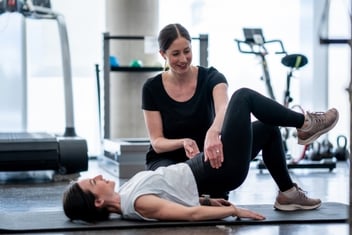
Hands-on techniques may help address joint stiffness, muscular discomfort, and movement restrictions when clinically appropriate.
3. Therapeutic exercises
Personalized exercises help improve flexibility, rebuild strength, and restore physical function gradually.
4. Rehabilitation modalities
Depending on your condition, treatment may include modalities such as ultrasound, interferential current (IFC), and heat or cold therapy.
5. Ergonomic guidance
Your physiotherapist may recommend adjustments to your workstation, posture, lifting techniques, and daily movements to reduce unnecessary physical strain.
The treatment approach depends on your injury, individual needs, and WSIB treatment guidelines.
How Can Physiotherapy Support Your Return to Work?
Returning to work after an injury can be challenging, particularly when your job involves lifting, prolonged standing, repetitive movements, or physically demanding activities.
A structured rehabilitation plan can help you work towards the strength, mobility, and functional abilities needed for your job.
Your physiotherapist may focus on:
- Improving strength and flexibility.
- Practising movements related to your work responsibilities.
- Gradually increasing activity levels.
- Identifying movements or positions that aggravate your symptoms.
- Providing ergonomic and injury prevention guidance.
Depending on your condition, modified duties or a gradual return-to-work plan may also be appropriate.
The aim is to support a safe return to work without unnecessarily aggravating your injury.
How Can Aurika Wellness Help With Workplace Injuries in Mississauga?
Dealing with a workplace injury can feel overwhelming, especially when you are also trying to understand WSIB procedures and manage your recovery.
At Aurika Wellness in Erin Mills, Mississauga, we provide WSIB physiotherapy and rehabilitation services to help injured employees work towards improved mobility, strength, and physical function.
Our physiotherapy team follows an individualized approach based on your injury, symptoms, and recovery goals.
Our services may include:
- Initial WSIB Assessment: Evaluating your symptoms, movement, strength, and physical limitations.
- Manual Therapy: Appropriate hands-on techniques to address mobility restrictions and muscular discomfort.
- Therapeutic Exercises: Personalized strengthening and mobility programs.
- Rehabilitation Modalities: Options such as ultrasound, IFC, and heat or cold therapy when appropriate.
- Ergonomic and Return-to-Work Guidance: Support based on your physical requirements and workplace activities.
- WSIB Documentation Support: Assistance with relevant forms, progress reports, and communication with WSIB.
Aurika Wellness also offers an initial WSIB assessment without requiring a doctor's referral. Eligible patients may receive care through the WSIB Musculoskeletal Program of Care, subject to its requirements and authorization.
Our clinic is conveniently located at 5100 Erin Mills Parkway, Mississauga, ON L5M 4Z5.
If you have experienced a work-related injury and are looking for physiotherapy in Erin Mills, our team can help you understand the assessment and rehabilitation process.
Book Your WSIB Physiotherapy Assessment at Aurika Wellness
Frequently Asked Questions About Workplace Injuries
1. What should I do immediately after a workplace injury?
Seek appropriate medical attention, inform your employer, document the injury, and understand whether a WSIB report is required. Avoid continuing activities that significantly worsen your symptoms.
2. Does WSIB cover physiotherapy in Ontario?
WSIB may cover approved physiotherapy and rehabilitation expenses for eligible workplace injury claims. Coverage depends on your claim entitlement and applicable treatment requirements.
3. Can I choose my own physiotherapist for a WSIB claim?
Yes. WSIB policy allows workers to make an initial choice of physiotherapist, provided the treatment is within the professional's scope of practice. WSIB rules apply if you wish to change your healthcare professional later.
4. Do I need a doctor's referral for WSIB physiotherapy?
Aurika Wellness states that a doctor's referral is not required for its initial WSIB physiotherapy assessment. Contact the clinic to understand the documentation and claim information needed.
5. How long does it take to recover from a workplace injury?
Recovery time depends on the type of injury, its severity, your overall health, and how your body responds to treatment. Some people improve relatively quickly, while others need longer rehabilitation.
6. Can repetitive strain injuries qualify for WSIB coverage?
Certain repetitive strain injuries may qualify as work-related conditions under WSIB. Eligibility depends on the circumstances, medical information, and WSIB claim assessment.
7. Can physiotherapy help me return to work safely?
Physiotherapy may help improve strength, mobility, flexibility, and functional abilities. Your rehabilitation plan can also address movements and physical demands related to your job.
Final Thoughts
Workplace injuries can affect your physical health, confidence, and ability to manage everyday responsibilities. Whether you are experiencing back pain, shoulder discomfort, repetitive strain, or an injury following a workplace accident, getting appropriate care is an important step towards recovery.
Understanding your WSIB options and following a suitable rehabilitation plan can help you make informed decisions about your health and return to work.
At Aurika Wellness in Erin Mills, Mississauga, our physiotherapy team provides personalized WSIB rehabilitation services to support your recovery journey.
Don't let a workplace injury keep you from moving comfortably. Contact Aurika Wellness to discuss your WSIB physiotherapy options and take the next step towards recovery.